What Actually Makes a Book or Catalogue Look Premium (It’s Rarely What You’d Guess)

Email Address
printfix2021@gmail.com
Phone Number
(+62) 816 524 689
Our Location
Mumbai 400033
printfix2021@gmail.com
(+62) 816 524 689
Mumbai 400033
Print-Fix
August 5, 2026
A cosmetics founder in Bandra once told us she’d spent three weeks picking a shade of green for her serum bottle, then five minutes picking the box it ships in. That’s more common than you’d think. Packaging tends to get decided last, even though it’s often the first thing a customer actually touches.
If you’re weighing a rigid box against a product box for your next run, the decision isn’t really about which one is “better.” It’s about what your product needs to do once it leaves the shelf.
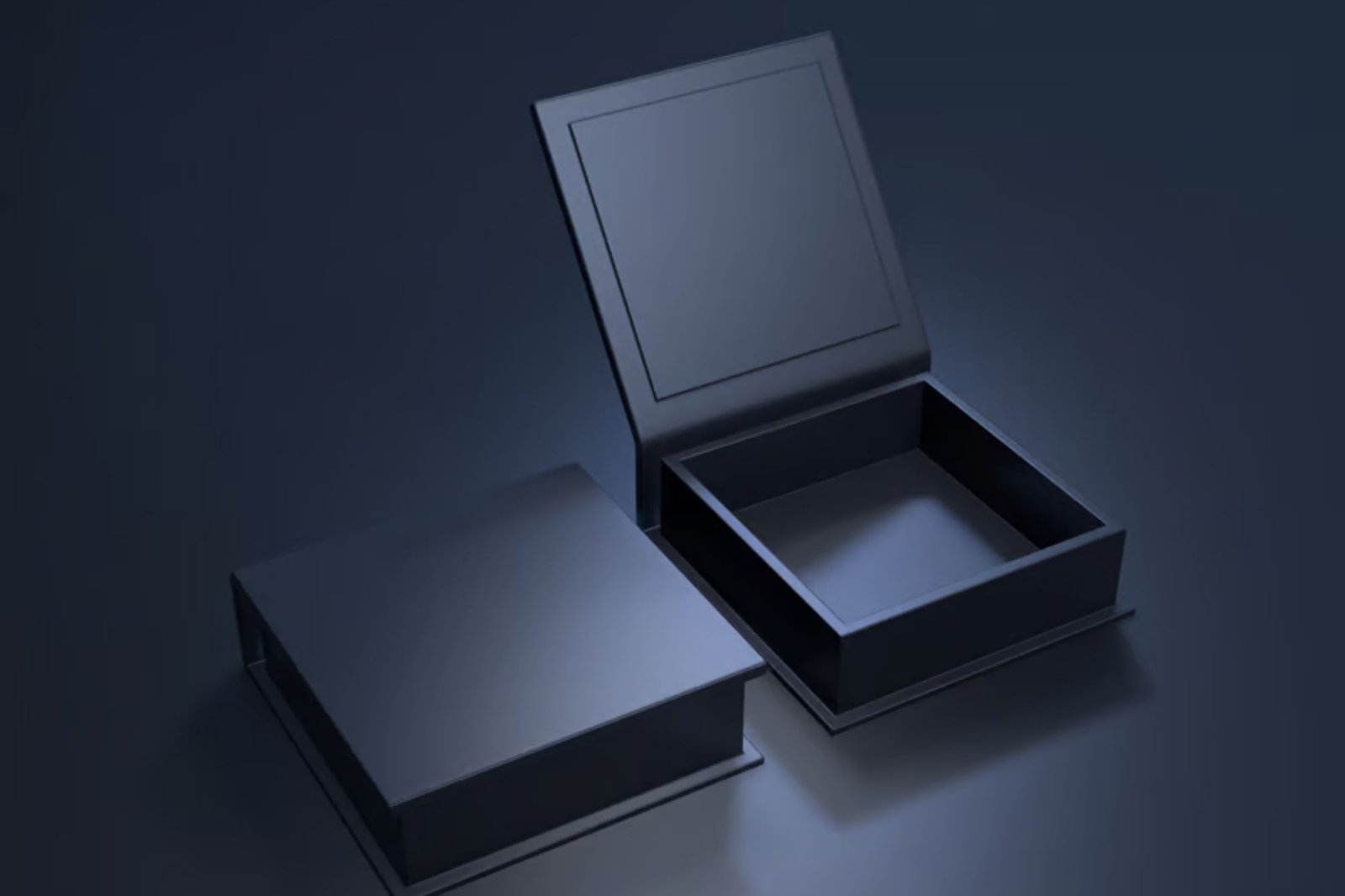
Rigid boxes are the setup boxes you see in perfume counters and gifting displays — hinged lids, magnetic closures, foil-stamped logos, sometimes a lift-off lid designed purely for the reveal moment. They’re not cheap to produce, and they’re not meant to be. The weight and structure alone signal that whatever’s inside is worth more than a passing glance.
We’ve built these for attar and perfume brands, luxury abaya labels, and premium gifting kits, and the brief is almost always the same: make the unboxing feel deliberate. A hidden magnetic flap does more for that feeling than people expect. So does a gold foil logo that catches light at the right angle.
Here’s the trade-off, though. Rigid boxes cost more per unit and take longer to produce than folding cartons. If you’re shipping thousands of units a month at a tight margin, that math might not work in your favor.
Product boxes — the tuck-in flap cartons used for skincare, medicine, and cosmetics — are built for a different job. They’re faster to produce, cheaper per unit, and still leave plenty of room for finishing: matte lamination, spot UV, foil accents, offset printing that holds color accurately across a big run.
A skincare brand doesn’t need a hinged reveal box for a 100ml jar that’s going straight into a shopping bag. What it needs is consistency — the same green on unit one and unit ten thousand. That’s where product boxes earn their keep. We’ve printed these for moisturizing sprays, medicine packaging, and full skincare lines where color accuracy mattered more than ceremony.
Is one style objectively more premium than the other? Not really. A well-finished product box with the right spot UV detailing can look just as considered as a rigid box — it just does it through print quality rather than construction.
Ask yourself three things. First, how does the customer receive this — retail counter, e-commerce parcel, or gift? Second, what’s your per-unit budget realistically allowing for? Third, does the category expect a certain format — perfumery leans rigid, skincare and pharma lean product box, though there are exceptions on both sides.
Most businesses get this wrong by picking based on what looks impressive in a mood board, not what fits their actual production volume and margin. That’s a fair instinct — packaging is emotional — but it misses the operational reality.
If you’re launching a limited gifting edition or a fragrance line, a rigid box with the right closure and foil work will do a lot of the selling for you. If you’re scaling a skincare or wellness brand across hundreds or thousands of units a month, a well-finished product box gets you consistency without the cost creep.
Either way, the finish matters more than the format. A cheap rigid box looks worse than a well-printed product box, and vice versa. That’s usually the conversation worth having before you lock in a print run.
Not sure which fits your product? Send us your dimensions, expected volume, and category, and we’ll walk you through samples of both before you commit to a full order.
Get occasional updates on new capabilities, materials, and industry insights — no spam, unsubscribe anytime.